The AI Portrait of Your Brand Isn't Yours
No login can edit the portrait an AI assistant keeps of your brand. The audit I run to see what the engines say, and how to change it.
On October 14, WebProNews reported that a solar company lost a $150,000 contract after Google AI Overviews invented a lawsuit against it. The CEO denied the claim, and the cited sources never mentioned the firm at all. The company's own website was nowhere in the picture, because nobody asked the website.
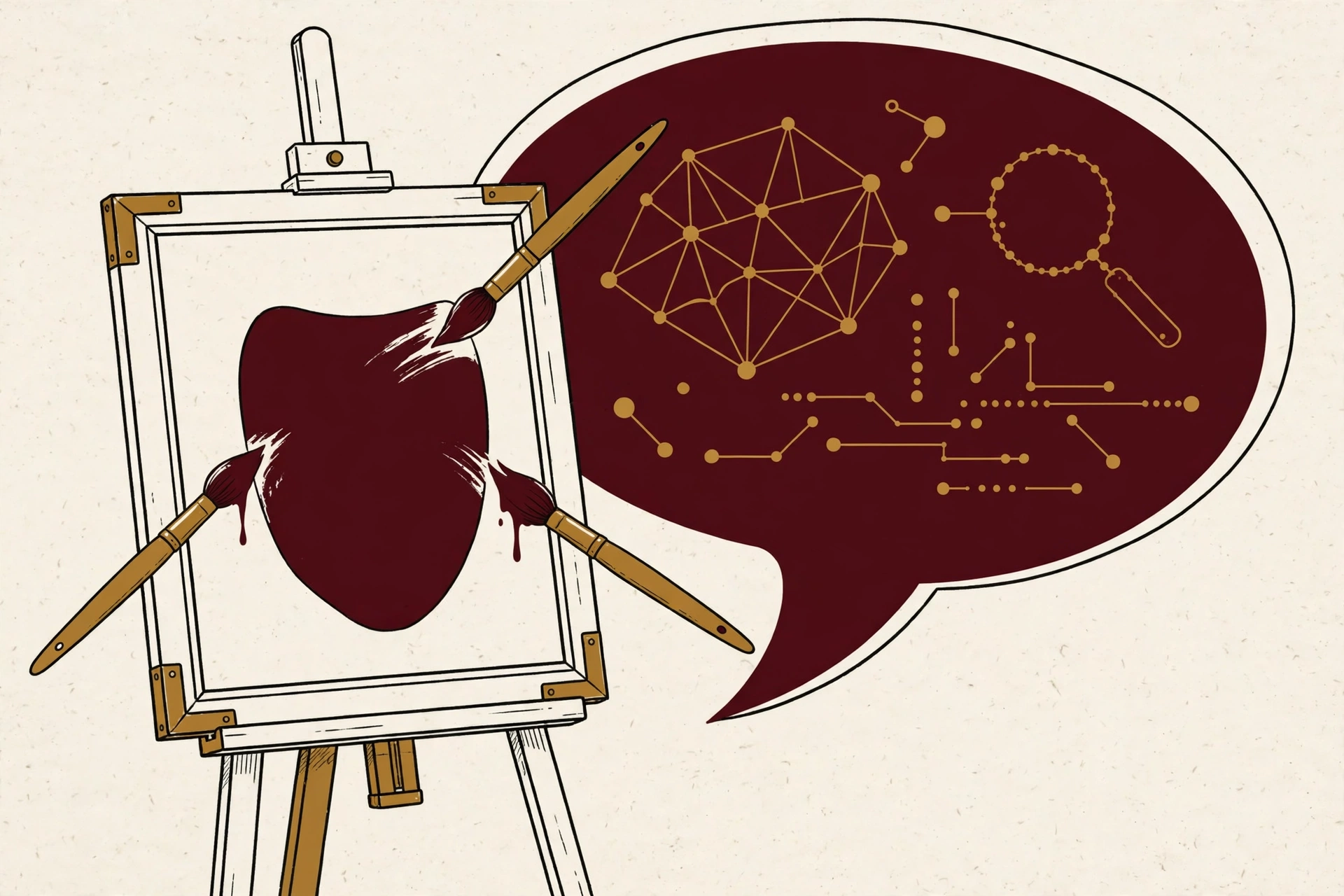
There is no profile to claim, no listing to correct, no login that lets you edit what the assistant remembers about you. A buyer asks one question, and the assistant writes a paragraph about you from other people's pages and delivers it with full confidence. Your Google Business Profile gave you a listing you could claim. The assistants give you a portrait you have to earn.
Strangers write most of it
The most rigorous measurement I have seen comes from researchers at the University of Toronto. They ran 1,000 consumer questions of the kind people ask when choosing who to hire across ChatGPT, Claude, Perplexity and Gemini, then classified every cited source as brand-owned, earned (independent third parties like news outlets and review sites), or social. RebuttalPR wrote up the findings this week. The ChatGPT split was 93.5 percent earned, 6.5 percent brand-owned, and zero percent social.
When a person asks Google, they land on your website. When they ask ChatGPT about you, your own website supplies roughly one citation in fifteen. The portrait is painted almost entirely from pages you do not control.
The effect gets stronger exactly where the money is. For transactional questions, where someone needs an address or a contact form, brand-owned content carries real weight. For consideration questions, the ones that start with "best" or "who should I hire," ChatGPT drew almost entirely on earned sources, and those are the queries that decide who gets contacted. Your site carries the least weight precisely when the buyer is choosing.
Three caveats the researchers disclose: the data is a single snapshot from August 2025, and the three-way classification is their own "subjective" scheme, with the absolute percentages illustrating strong relative trends rather than fixed facts. But Muck Rack independently analyzed more than 25 million links cited by ChatGPT, Claude and Gemini across seventeen industries and found 84 percent came from earned media, journalism alone about a quarter. Two different methods produced the same answer.
Each engine paints a different face
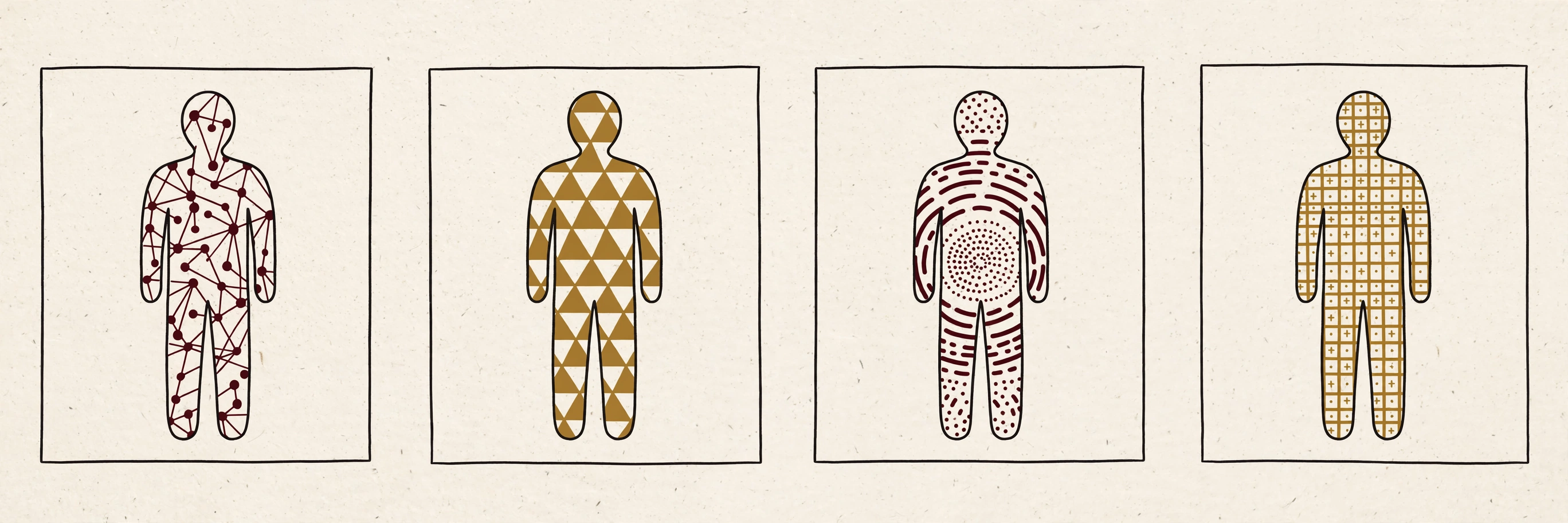
The portrait is not even the same one everywhere. The Next Web laid out the mechanics this week, via WebProNews' roundup. Wikipedia dominates ChatGPT's citations at nearly 48 percent of top sources. Perplexity leans on Reddit, almost 47 percent of its references. Gemini and Google AI Overviews mix Reddit, YouTube and LinkedIn. Ask the same buyer question in four engines and you get four different portraits built from four different reading lists.
One analysis from LLM Pulse made it concrete: for the same brand, ChatGPT highlighted B2B capabilities and expansion, Perplexity surfaced recent pricing complaints, and Gemini stressed financial stability. SOCi's 2026 Local Visibility Index added the numbers: across 350,000 business locations, ChatGPT recommended 1.2 percent, Gemini 11 percent, the traditional local pack 35.9 percent.
And the preferences move. A Semrush study found ChatGPT's Reddit citations dropped from 60 percent to 10 percent in a matter of weeks during 2025 as it shifted toward Forbes, Medium and PR Newswire. Monitor one model or one moment and you miss the movement.
The audit I actually run
When a client asks what the engines say about them, I do not start with a dashboard. I wrote last week about why I distrust single-snapshot visibility scores, and the same habit applies here. I run the fixed prompt panel I built for the GEO work I do at First Rank, where one campaign grew LLM-driven search traffic 98 percent in 30 days.
I take the buyer-style questions a prospect would actually ask: "who should I hire for X," "best X in Y," "is [brand] any good," plus the client's name directly. I run the same set across ChatGPT, Gemini, Perplexity and Claude in fresh sessions, logged in and logged out, repeated over several days. For every answer I log three things: sentiment toward the client, which competitors get named instead of it, and every cited domain. Then I score brands by recurrence across runs, not by any single appearance.
What comes out is a source map: the ten to twenty third-party pages that actually write the client's portrait on each engine. Wikipedia usually sits at the top for ChatGPT, alongside a couple of review sites and a news article from three years ago that will not go away. That map is the whole game, because effort spent on pages the engines never read is effort spent on nothing.
Fixing the portrait, in order
First, audit per engine before changing anything. The ChatGPT portrait and the Perplexity portrait have different authors, and fixing the Reddit thread Perplexity loves will not touch the Wikipedia paragraph ChatGPT keeps quoting.
Second, fix what the map says you control, starting with the highest-cited. Wikipedia sits at the top of ChatGPT's citations at nearly 48 percent of top sources, and improving the entry there feeds downstream answers. Update the controllable sources everywhere: your site with clean structured data, consistent listings, the review profiles the engines cite. Publish content that directly answers the buyer questions the engines get wrong, because the citation mix shows each engine reaches for different source types.
Third, have a plan for fabrication. The MakeMedia.ai guidance summarized in the same roundup is the right shape: report hallucinations through thumbs-down feedback, use legal channels if a claim is defamatory, and prepare your sales team with counter-messaging for the inaccurate claim. Fixes propagate at different speeds. Perplexity can reflect a change in about nine days. Others take weeks.
Fourth, run the audit again next month, and the month after. The engines rewrite their reading lists constantly, and a portrait that is accurate today can be built from a different set of pages by spring. One bad summary gets cited, then echoed by the next engine, then hardens into accepted fact. The only defense is catching it early.
An unfavorable portrait can kill a deal before a salesperson answers the phone or hand a rival your shortlist slot, and I am treating agent-driven buying, where software picks the vendor with no human in the loop, as a when, not an if. For buyers asking consideration questions, the paragraph the assistant writes about you is already your first impression. I run these breakdowns regularly on dalindegraff.com. Go read what strangers have written about you.

About the author
Dalin de Graff is an SEO and GEO Strategist at First Rank, where he built the agency's GEO practice. He writes about search, AI, and marketing at dalindegraff.com.