ChatGPT Cites Your Site. Google Cites the Listicle About You.
Onely asked five engines the same 31 buyer questions. ChatGPT cited brands' own sites 57% of the time; listicles led Google's engines. Split the playbook.
ChatGPT Cites Your Site. Google Cites the Listicle About You.
Ask five AI engines the same buyer question and you get five answers. That part is old news. The part that changed how I brief clients is what each engine used as evidence.
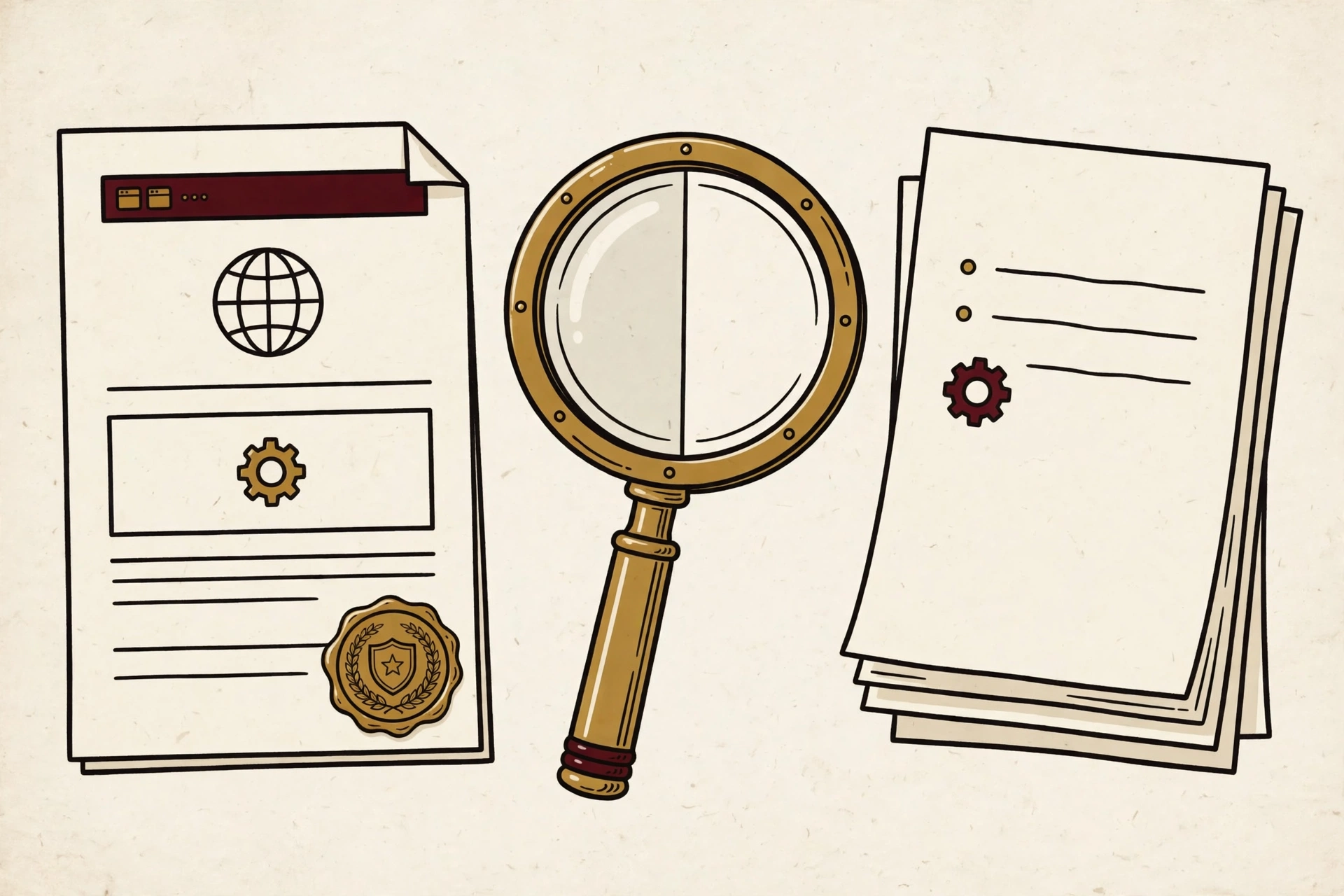
On October 16, 2026, Onely published research that put the same 31 questions, each in the form "best agencies for X", to five engines and classified every page each engine cited. ChatGPT with web search cited the named agencies' own websites in 119 of 210 citations, or 57%. Perplexity cited listicles in 70% of its citations. Gemini cited listicles in 77%. Google AI Mode cited listicles in 59%. Google AI Overviews cited listicles in 48%.
A page that earns a ChatGPT citation and a page that earns a Google citation are often different pages, built for different jobs.
What ChatGPT read
The study covered agency questions only: B2B, SaaS, fintech and 28 more agency verticals. Web search was switched on for every ChatGPT question. Onely excluded its own pages from the counts, and a sample of the classifications was checked by hand. Both sources are vendors in this space: Onely sells GEO services and Kitstarter sells a mention-tracking tool, so treat their counts as vendor research, not independent replication.
ChatGPT ran 316 searches across 31 questions, returning 2,521 pages and citing 210. Reddit threads were 698 returned pages, cited in one answer. Wikipedia pages were returned 160 times and cited never.
ChatGPT reads widely, then quotes narrowly, and the pages it quotes tend to be the brands' own pages. In 7 of the 31 questions, it ran a second round of searches using an agency name plus the word "official" to open the sites it was about to recommend. If your own page does not answer the question in plain words, that second search has nothing to land on.
A second October test reached the same result. Kitstarter asked ChatGPT and Gemini 96 real buyer questions across 12 small business categories on October 10, 2026. For 88 of the 96 questions, ChatGPT ran a live web search, read about three pages, and built its answer from them. Kitstarter reports that 75% of those pages were the official websites of products in the category, usually the very products ChatGPT named. ChatGPT cited a help or support page in 24 of the 96 answers, often to confirm a specific feature or price. Gemini read other companies' blogs, publishers, Reddit and YouTube instead.
In both studies, when ChatGPT searched, it leaned on the brand's own pages. Limit: Onely cites Semrush data showing ChatGPT enabled web search on 34.5% of queries as of February 2026, down from 46% in late 2024. For the rest, it answers from training, where the brands with the most coverage win. Your own pages matter most in the searched slice.
Why Google still wants the listicle
Google's engines answered from a different evidence diet. AI Overviews gave 18 answers, not 31, because Google returned no result for 11 questions and no AI Overview for 2. In those 18, listicles were 45 of 94 citations, or 48%, and own sites were 4, or 4%. AI Mode cited listicles in 59% and own sites in 9%. Gemini cited listicles in 77% and own sites in 14%.
Perplexity is the extreme case. It cited 561 pages across 31 answers, far more than Gemini at 83 or AI Mode at 96, and listicles were 395 of them. A Perplexity answer can cite you as one proof point among many without naming you as the recommendation.
This split fits my earlier brand search post, where AI Overviews cited a brand homepage in only 36.8% of brand site citations while the organic top 10 was 71.1% homepage: Your Brand Search Is No Longer Yours.
A single blended score hides this split, as I wrote in AI Visibility Scores Are Lying to You. Report each engine separately and log the page type behind each citation.
The panel I run every Monday
Every Monday I run a fixed prompt panel, using the routine from my earlier visibility post: the five prompts that map to the money keywords, run three times each, logged in and clean, across ChatGPT, Gemini, Perplexity and Claude. For each answer I log whether the brand was named, whether a page was cited, and what kind of page was cited: own site, listicle, directory, help page, or something else. A money prompt is a buyer question, not a brand name.
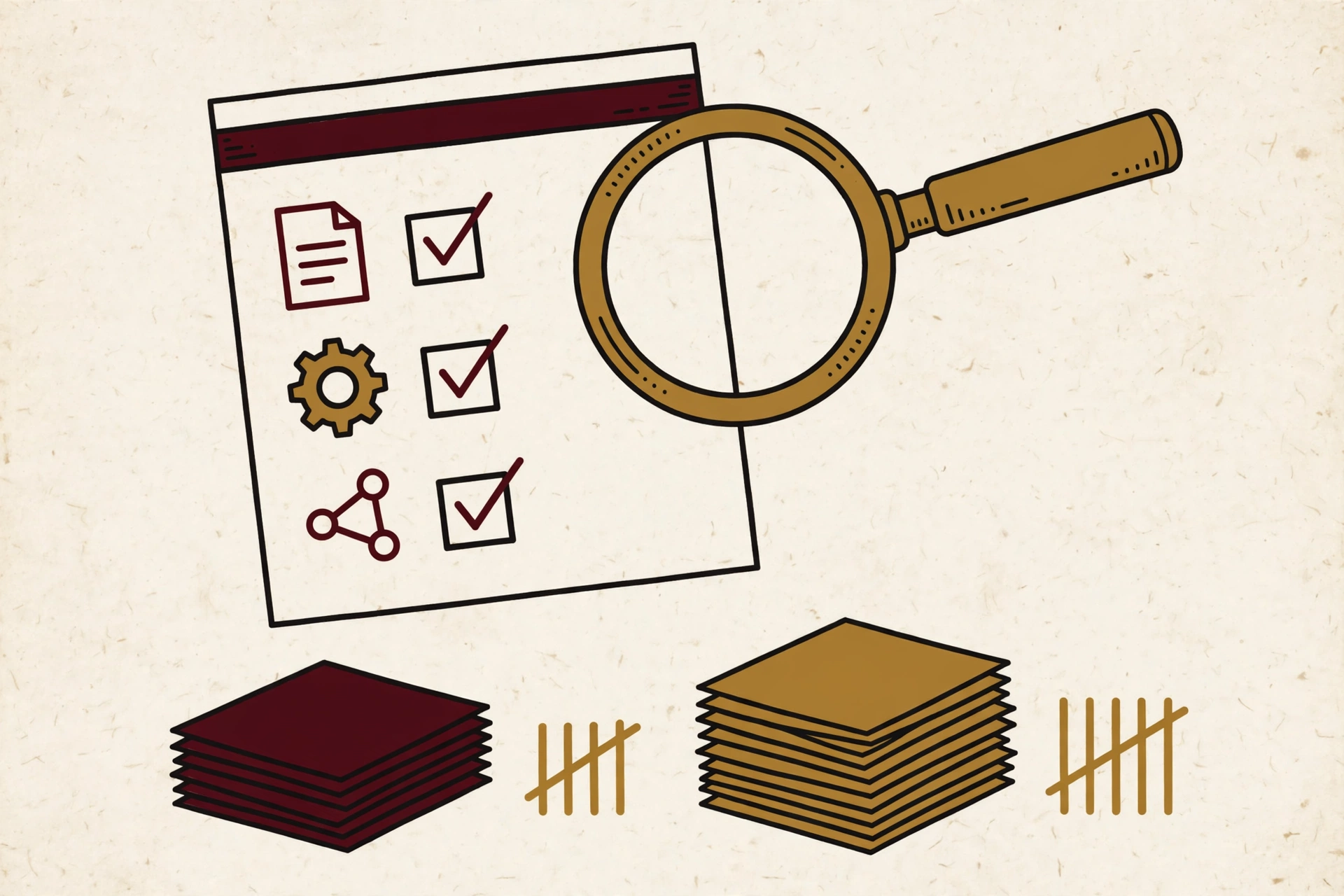
That panel is the routine I used during a GEO campaign at First Rank that recorded a 98% rise in LLM traffic in 30 days. I am not claiming the panel caused the rise. It told us which engine was moving and which page type was doing the work. In the panel log, ChatGPT citations skewed to our own service pages and Google citations skewed to third-party lists.
Keep the questions fixed, or you lose the trend. Ask the question a buyer asks before any brand is named, not your brand name, which only tests memory.
Kitstarter warns against judging on one answer: asking the same question twice, ChatGPT kept only 48% of the products it had named and changed its first pick 39% of the time. Recurrence across three samples is the smallest unit worth acting on.
Two tracks, in the right order
This evidence base is agencies plus small businesses. Treat the tracks as a starting hypothesis outside those verticals until you run your own panel.
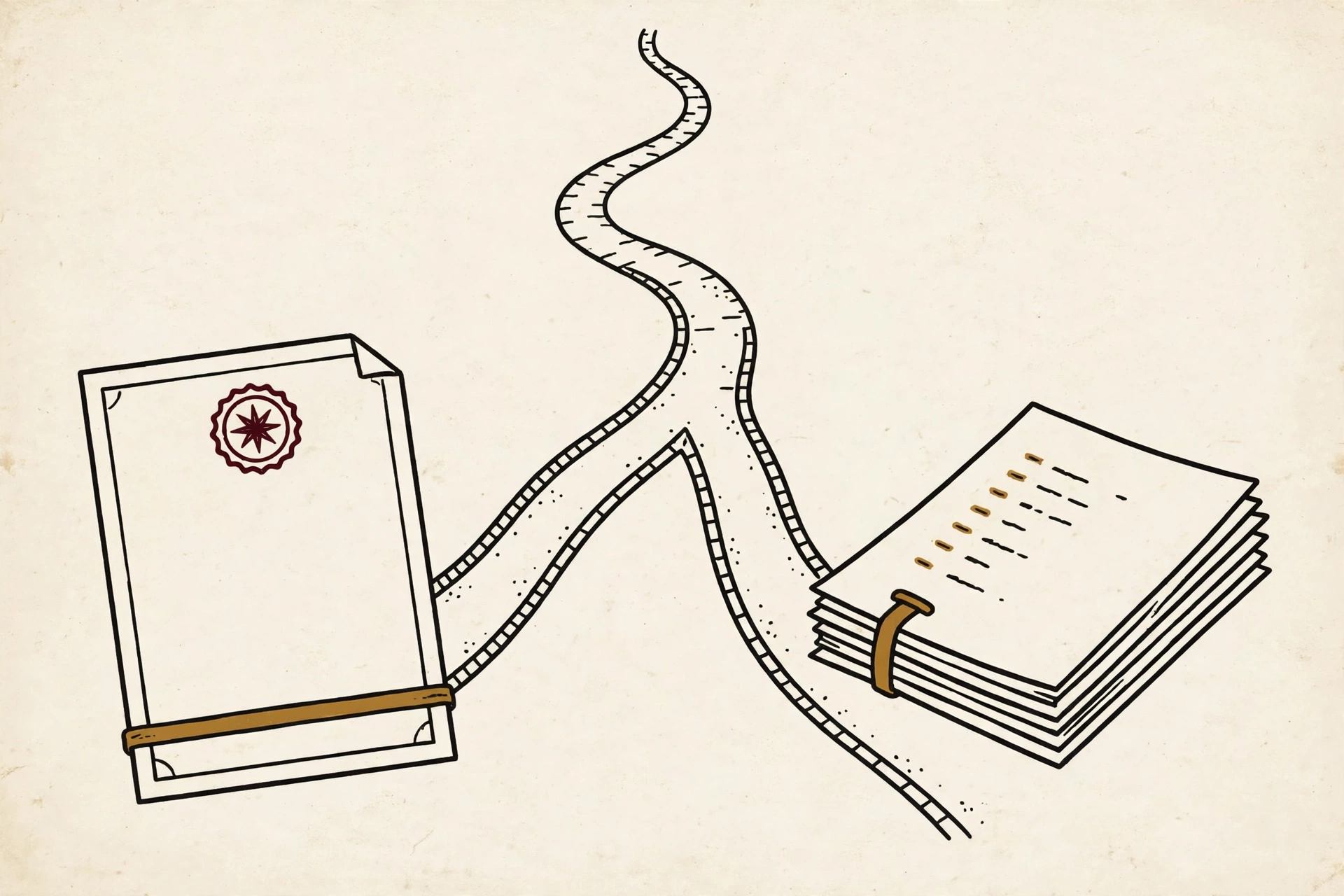
Track one is for ChatGPT. Build one canonical page per buying question, not one page per keyword. State, in the buyer's words, who the service is for, who it is not for, what it does, and what the price depends on. Put key features on public help pages, not inside a logged in app, because Kitstarter found ChatGPT citing help pages to confirm details. Make sure OpenAI's search crawler can read the site.
Track two is for Google's engines and Perplexity. Find the listicles Google already cites for your category, then earn a place on them with specifics: who you serve, what you charge for, what outcome you can show. Do not write your own "best of" list and expect Google to name you from it.
Google's October 15 official-site box test does not change this split. See How to Win Google's Official-Site Box. It does not replace listicle work for Google's broader answers. My own recommendation for Perplexity, not a finding in either study, is to aim to be the cited proof for a specific claim by publishing checkable facts: prices, scopes, timelines, and named outcomes.
Stop buying listicle placement and expecting ChatGPT to move. In Onely's data, listicles were 22% of ChatGPT citations, not zero, but not the main evidence. Stop rewriting your own pages after one changed answer, given the 48% repeat rate Kitstarter measured. Report ChatGPT separately from Google, with the page type mix inside each engine. When the mix moves, you know which track to fund next.
I publish these breakdowns on dalindegraff.com. What does your page type table look like for your five money prompts, and which engine are you losing on?

About the author
Dalin de Graff is a digital marketing expert based in Winnipeg, Canada, with 9 years of experience across SEO, GEO, and AI search. At First Rank, he built the agency's GEO practice and leads its work on AI search and LLM visibility. His results include +311% organic clicks, +300% calls, and +98% AI search traffic in 30 days. He writes about search, AI, and marketing at dalindegraff.com.